Technology · 6 min read
How Artificial Intelligence Could Transform Personalized Nutrition
Smart tools may soon help people plan meals, shop and discover foods that match their preferences — with important limits.
Demonstration editorial content
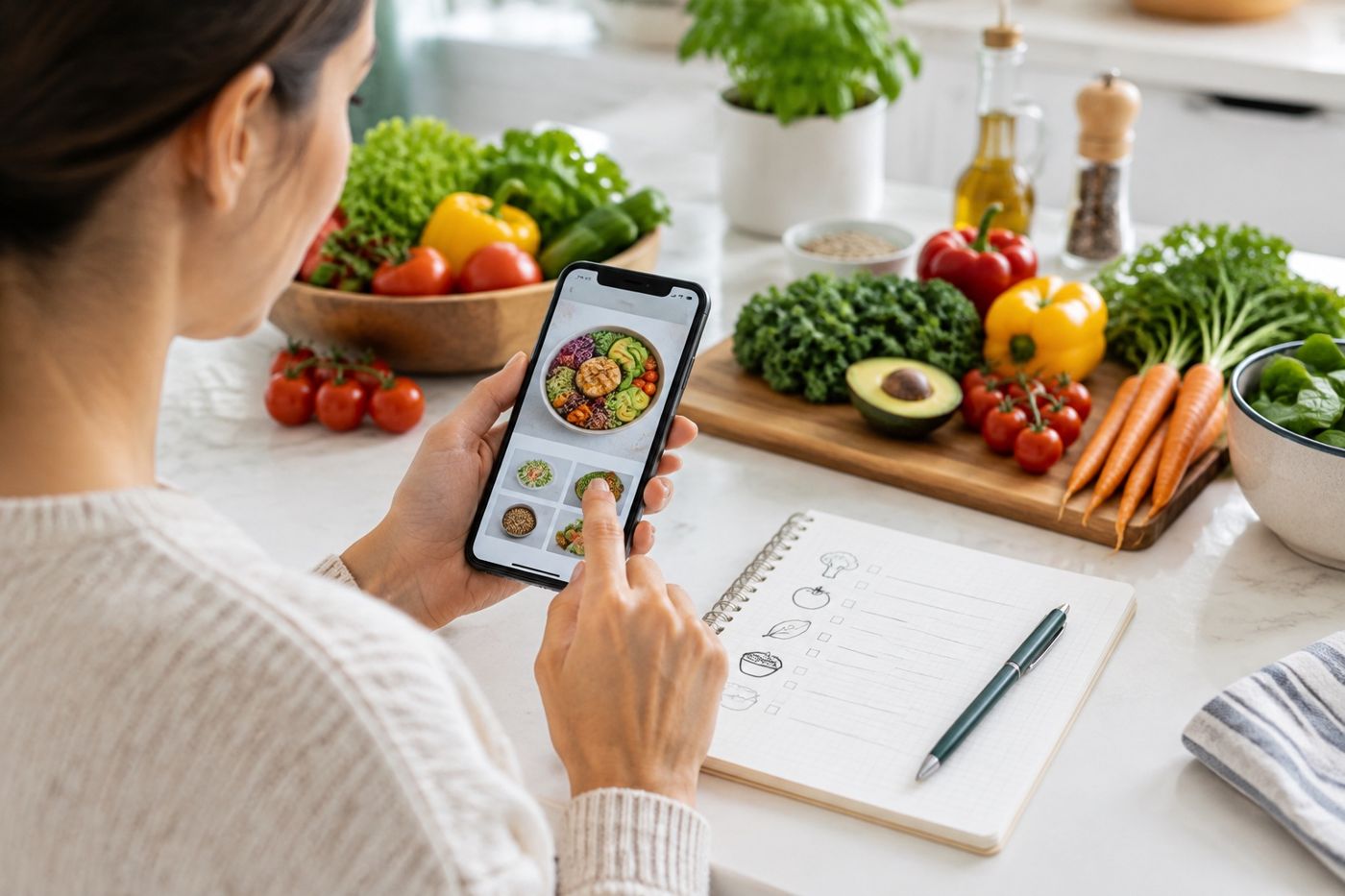
Most people already know the broad outlines of healthy eating. The harder part is applying it: deciding what to cook tonight, building a grocery list that fits the week, and finding recipes that suit personal tastes, budgets and schedules. This is where artificial intelligence could become genuinely useful.
Practical applications
AI-powered tools can already help suggest recipes based on ingredients someone has on hand, generate a weekly meal plan around stated preferences, or convert a set of recipes into an organized shopping list. Over time, such tools could learn which flavors and formats a person enjoys and surface new ideas accordingly.
In retail settings, intelligent recommendations could help shoppers discover seasonal produce, find substitutions for out-of-stock items or build balanced baskets more quickly.
The importance of boundaries
Personalization in food carries responsibility. Recommendations about general preferences — more vegetables, quicker dinners, Mediterranean-style dishes — are very different from individualized medical advice. Any responsible platform should be clear about that distinction and encourage people with health conditions to work with qualified professionals.
Privacy matters too. Consumers deserve transparency about what information is collected, how it is used and how they can control it.
A human-centered future
The most promising vision for AI in nutrition is not one in which software decides what people eat, but one in which it removes friction: less time planning, less food wasted, more confidence in the kitchen. Paired with trusted content and fresh ingredients, intelligent tools could make eating well feel simpler for millions of people.
This article is demonstration content created to illustrate the editorial potential of FreshEating.com. It is for general information only and is not medical or nutritional advice.
Keep Reading
Fresh Food · 5 min
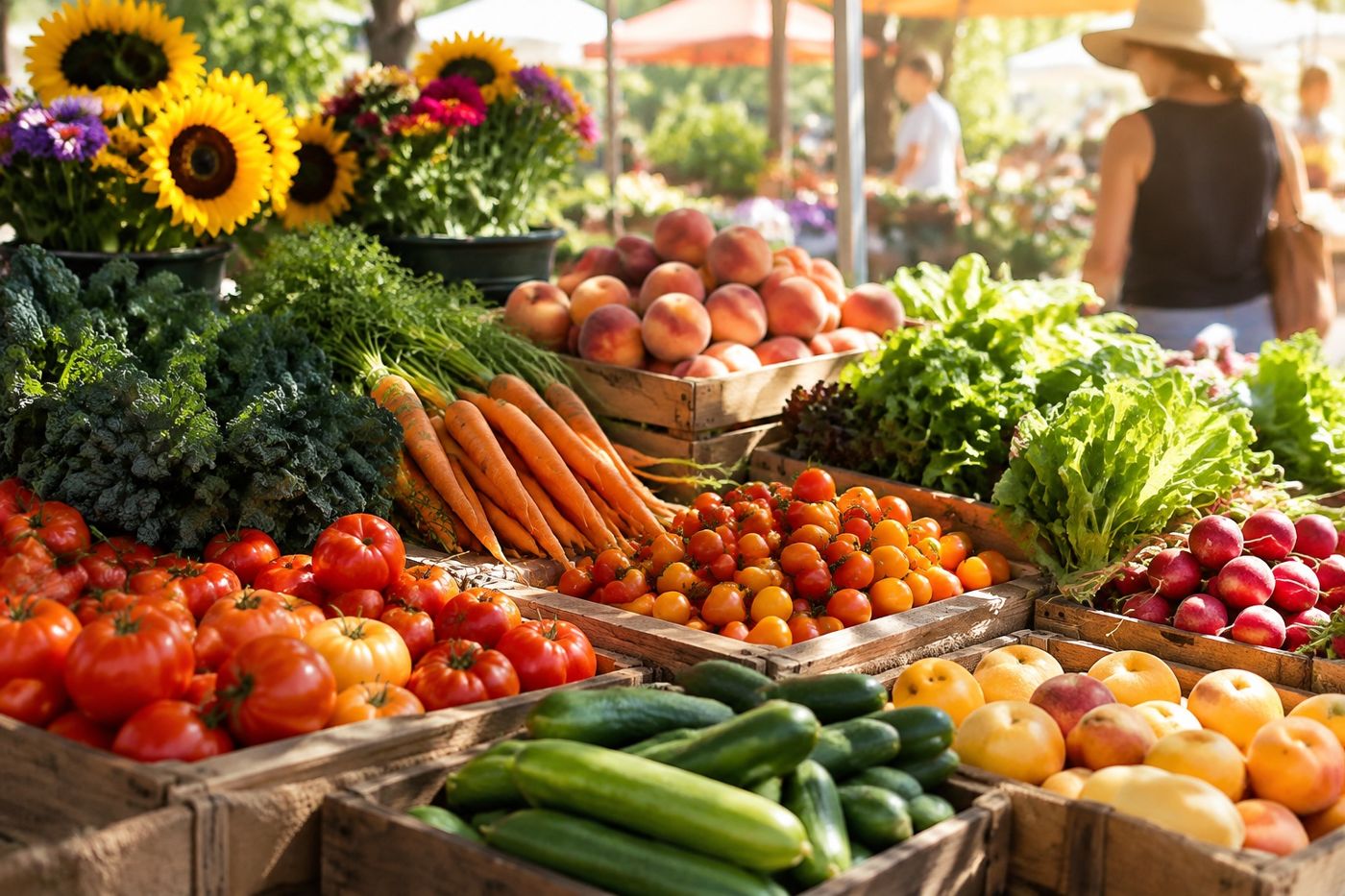
Why Fresh Food Is Becoming a Lifestyle Priority
Fresh ingredients have moved from a weekend indulgence to an everyday expectation. Here is what is driving the shift.
Meal Delivery · 5 min
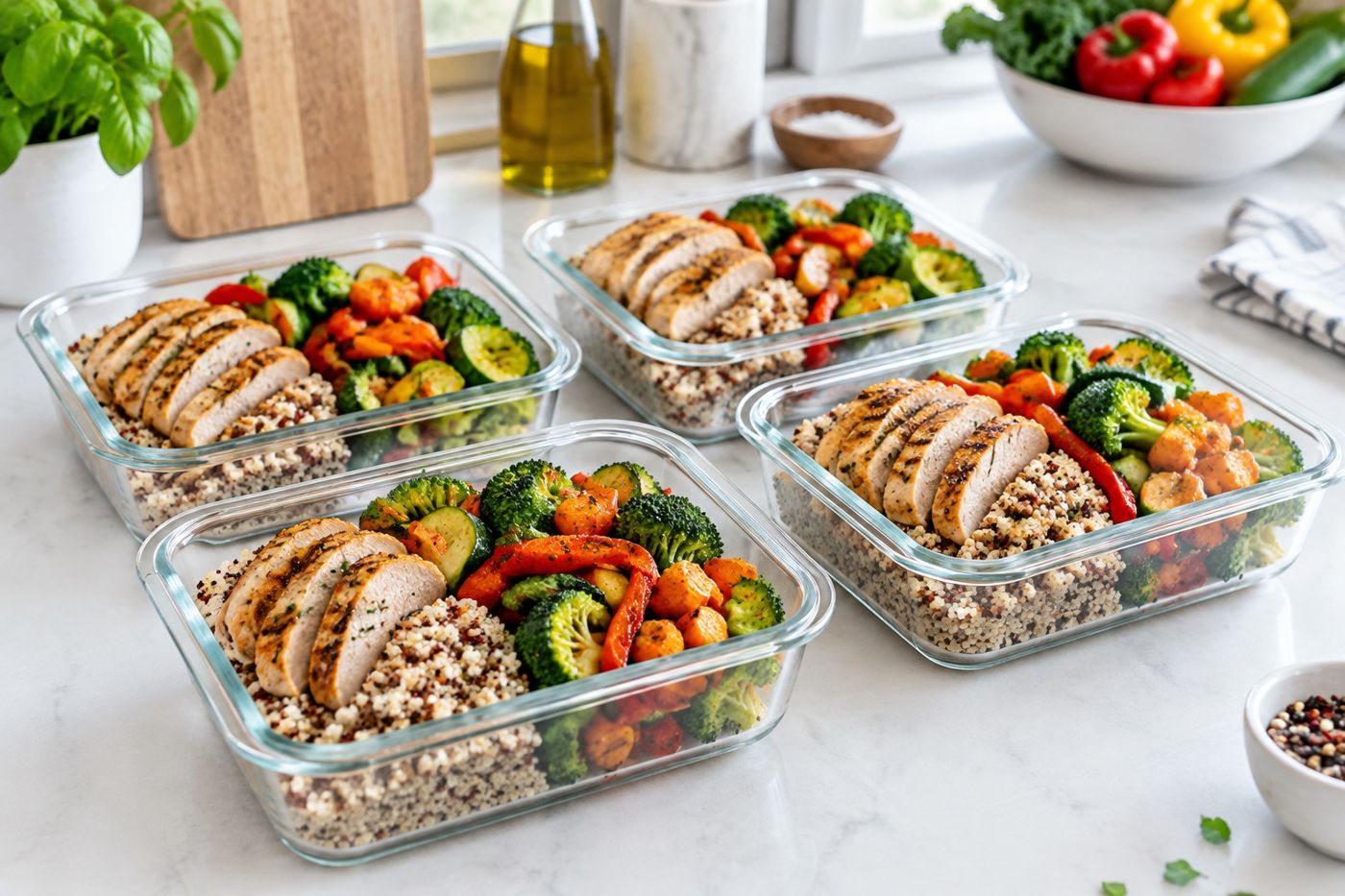
The Future of Prepared Meal Delivery
Chef-prepared meals have evolved from a novelty into a routine. What might the next chapter look like?
Nutrition & Wellness · 5 min
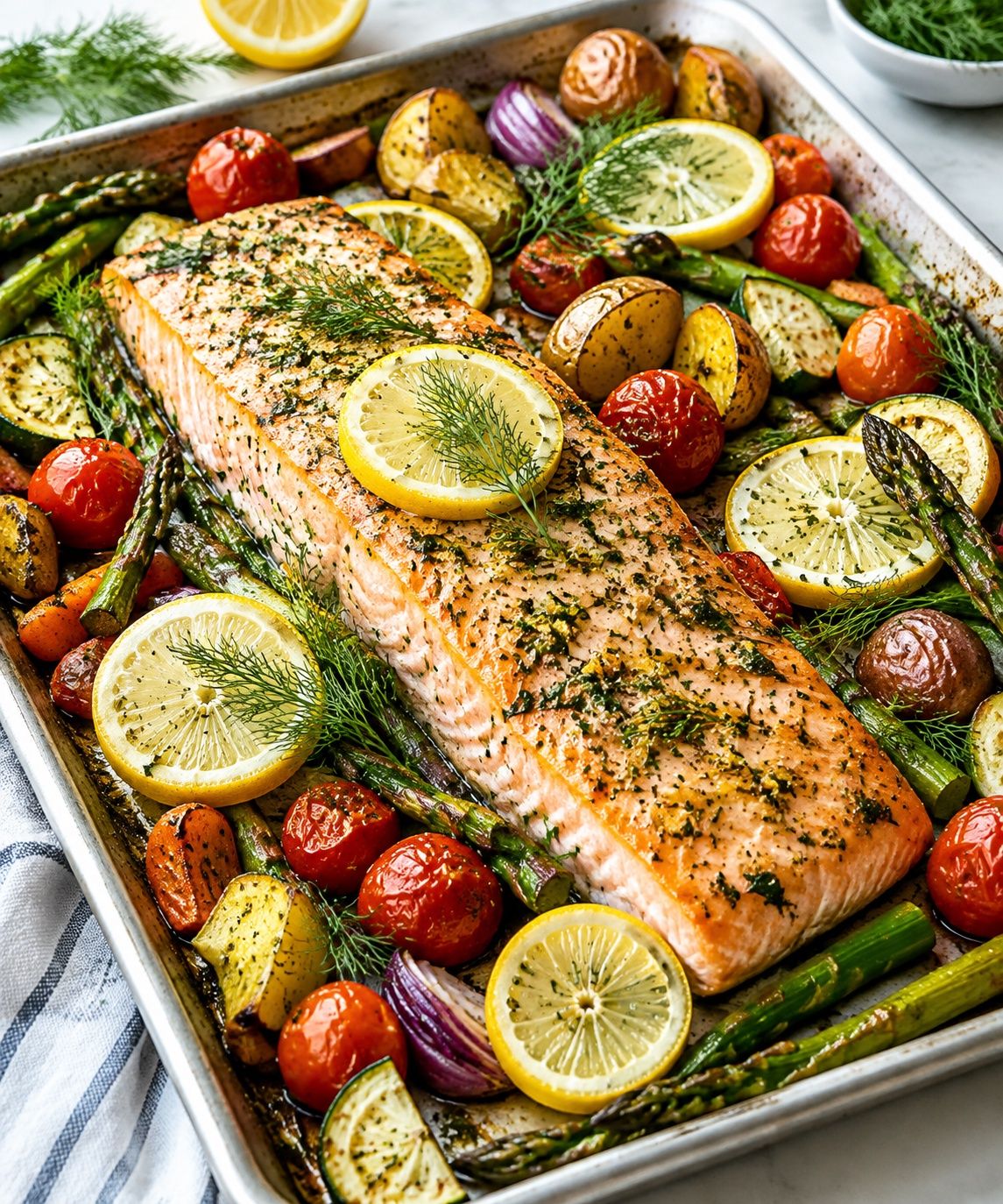
Eating Well in the Age of GLP-1 Medications
As more people pursue medically supervised weight management, interest in nutrient-dense, thoughtfully portioned food is growing.